Anthoni's wife dies eleven days after a baptism, and he remarries in nine weeks
Elgg Reformed marriage register, 7 February 1616 (FamilySearch index, Switzerland, Catholic and Reformed Church Records)
Stories
What the records say happened to the people called Hegnauer: crossings, wars, bank boards and county fairs, told from the evidence and sourced to the last sentence. Read in any order. The registers were not kept in one either.
5 features · 9,096 words · 218 finds
Cover story · Emigration
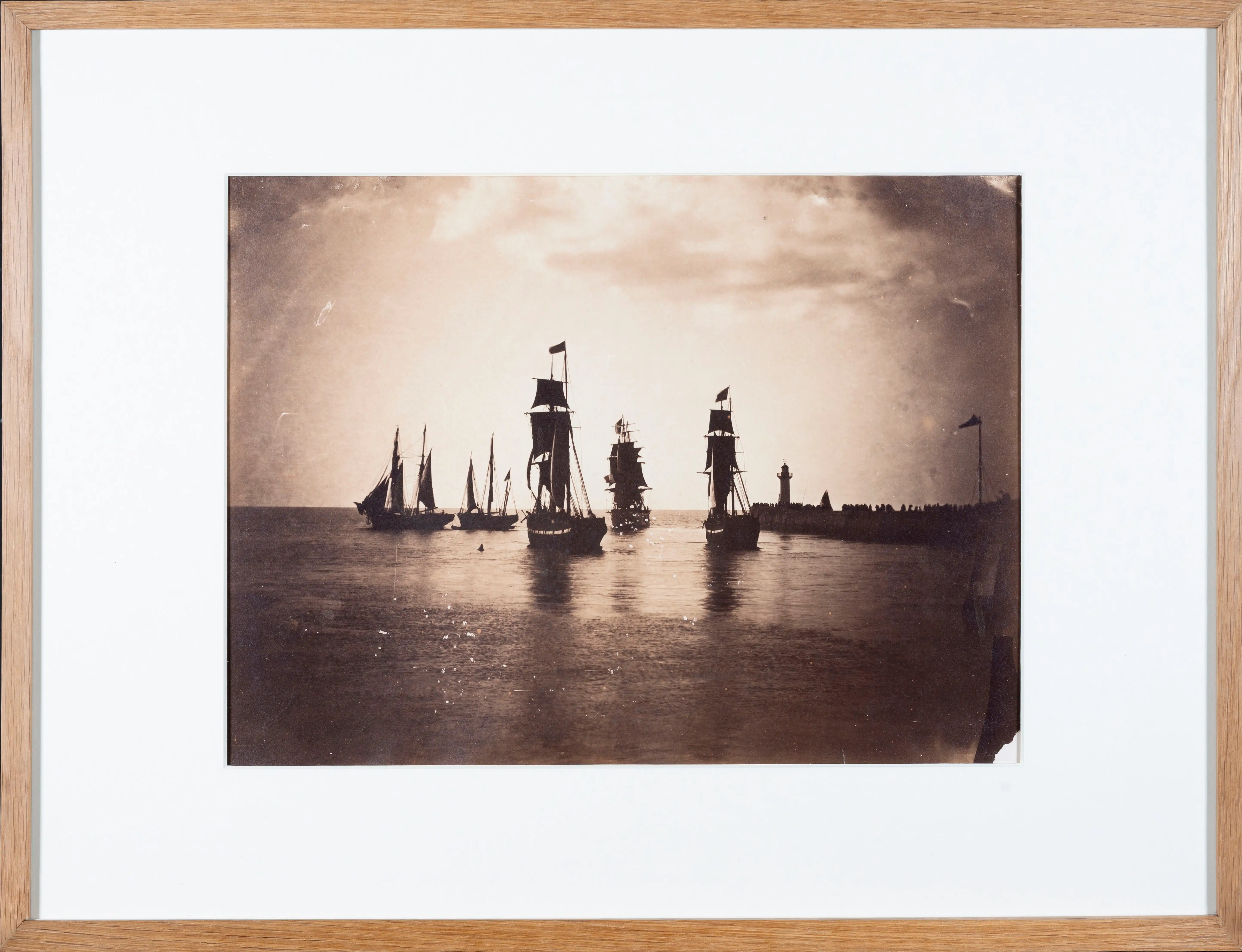
In 1856 Luzius Hegnauer took his wife and five children from the village of Igis in Graubünden to Missouri, by way of Le Havre, the ship Chace and New York. The records follow them most of the way.
Picture: Ships leaving Le Havre, 1856–57.
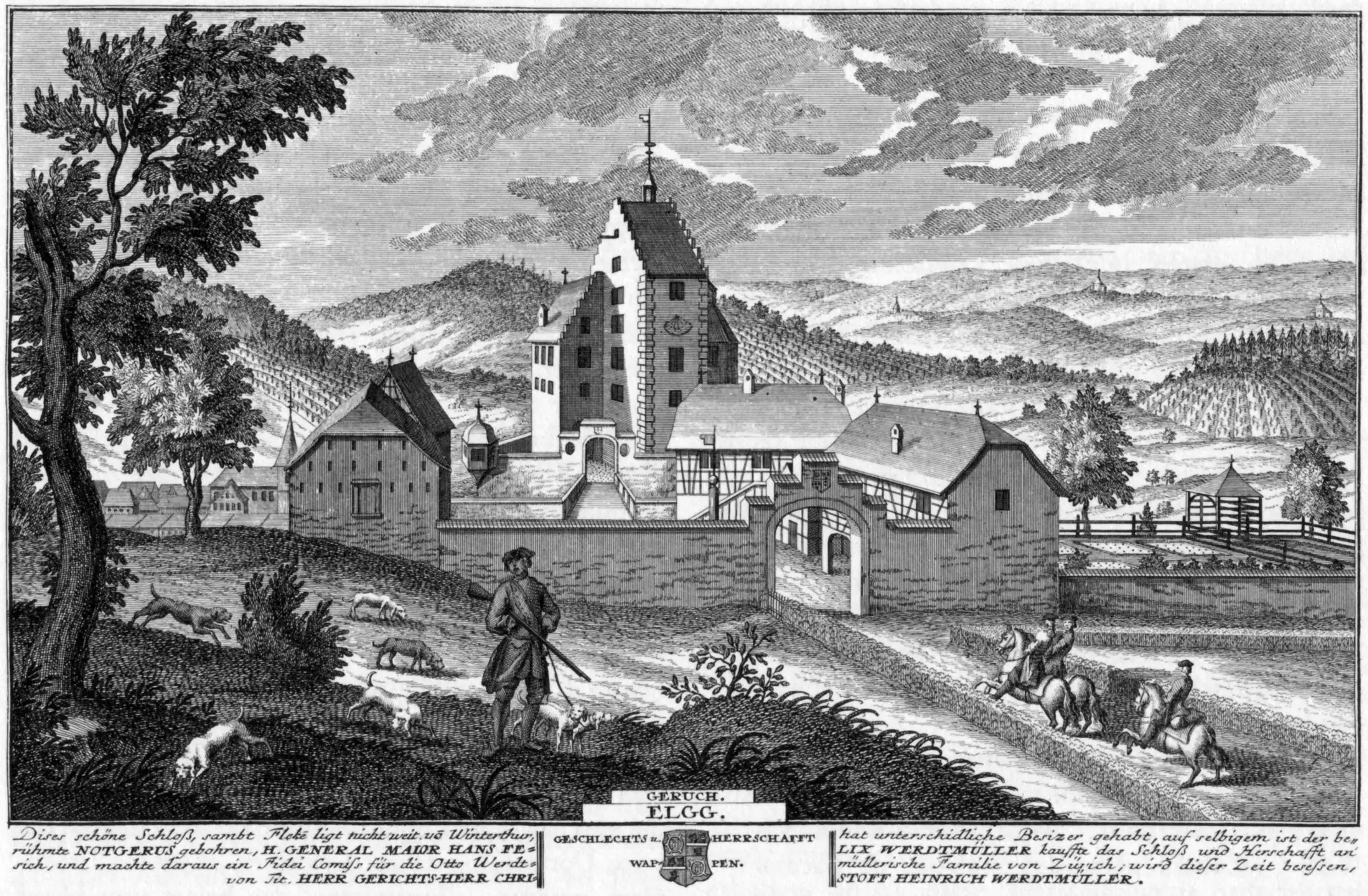 The oldest line Three centuries at Elgg For more than three centuries the church books of Elgg, a small town in the north-east of canton Zürich, recorded the oldest and largest Hegnauer family the study has found. This is what their index can say about them, and what it cannot. 8 min read · 111 sources
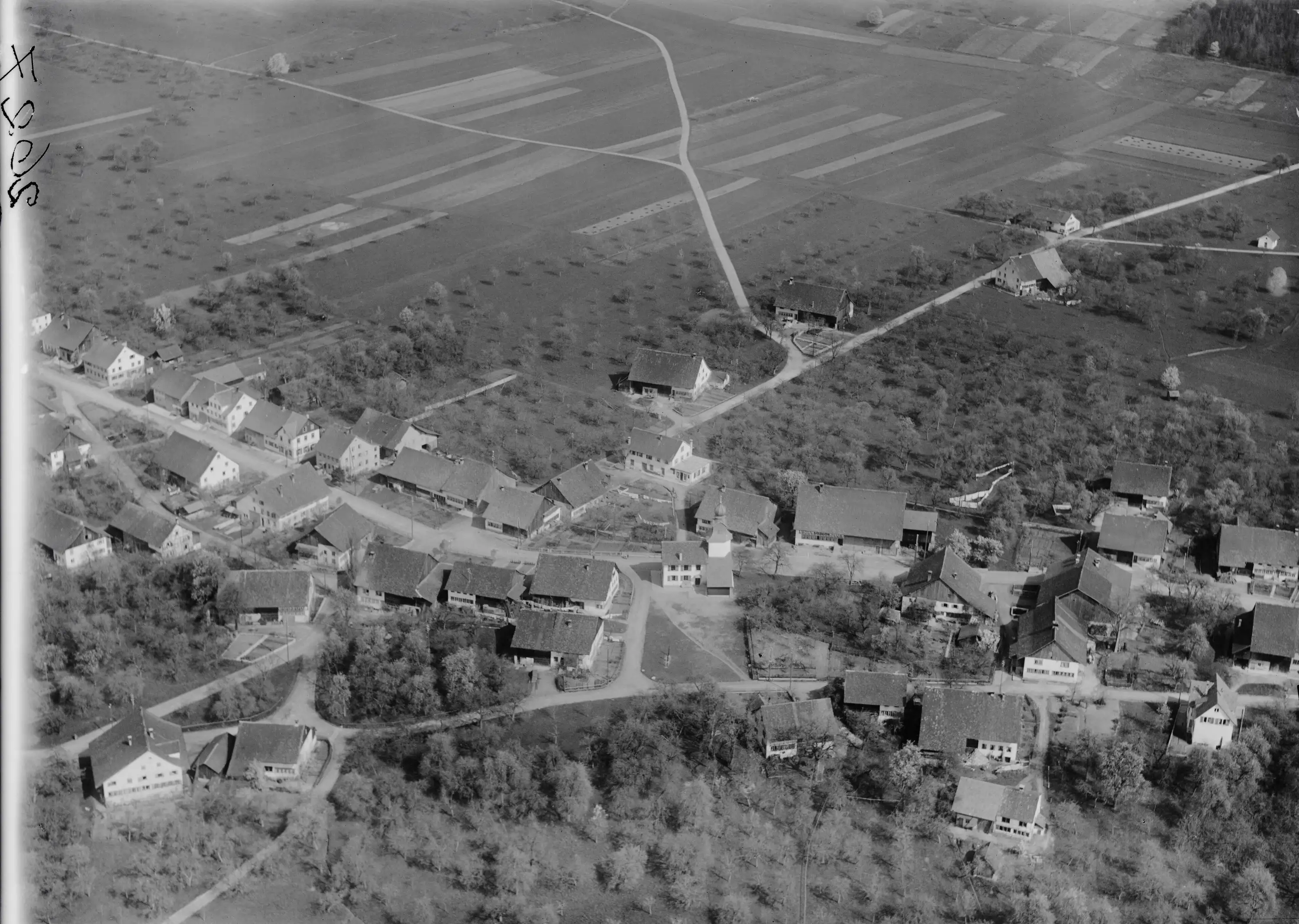 Portraits Lives worth telling Nine people from the Hegnauer study whose records say more than when they were born and buried, from a probable cook in fourteenth-century Zürich to a social worker in Tacoma. 8 min read · 98 sources
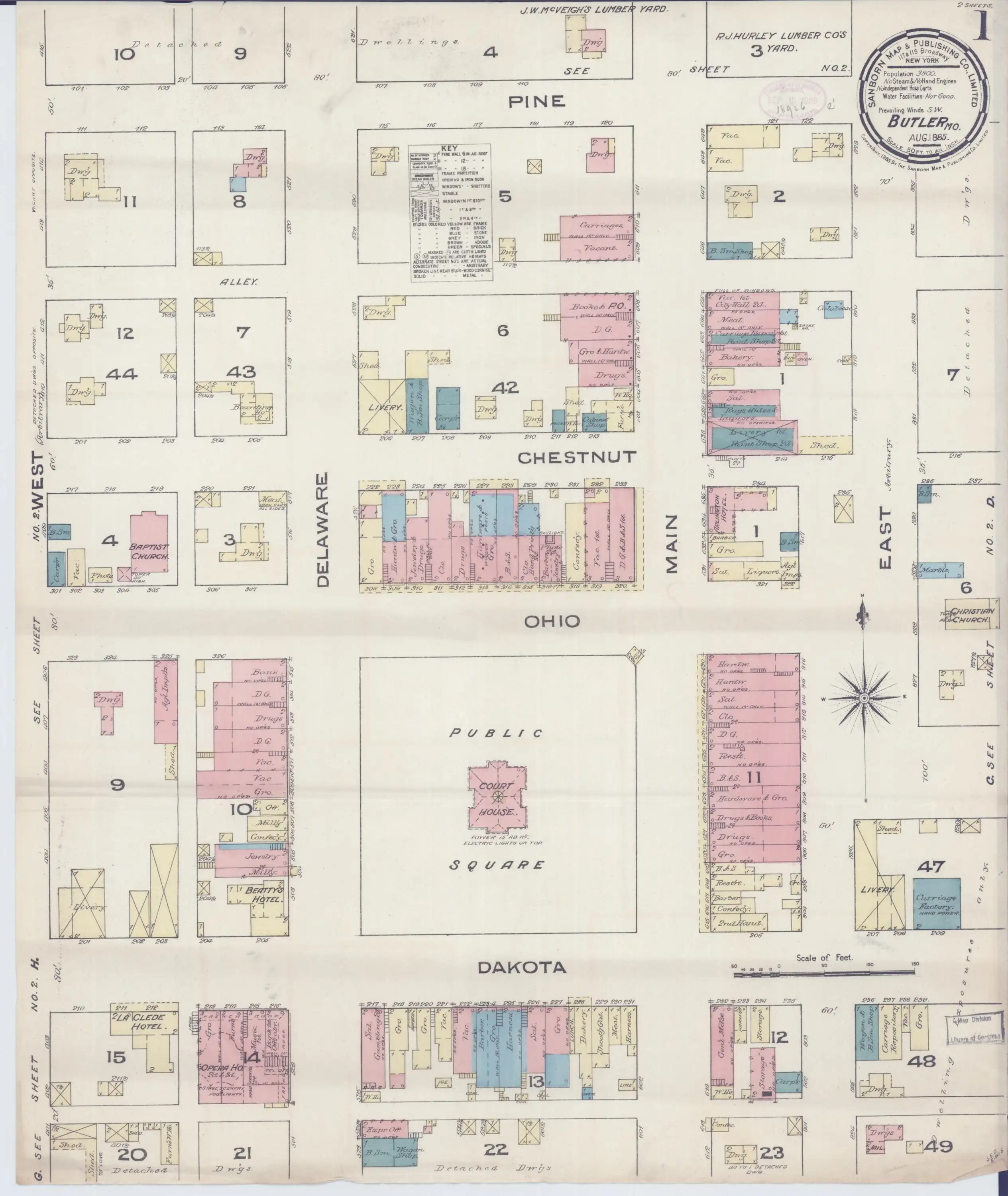 The newspapers Life in the Missouri papers For forty-five years the county papers of Bates and St. Clair noted Leonhard Hegnauer a line at a time. Put together, the stray notices, vote tables, bank statements and probate dockets add up to a family's public life. 8 min read · 77 sources
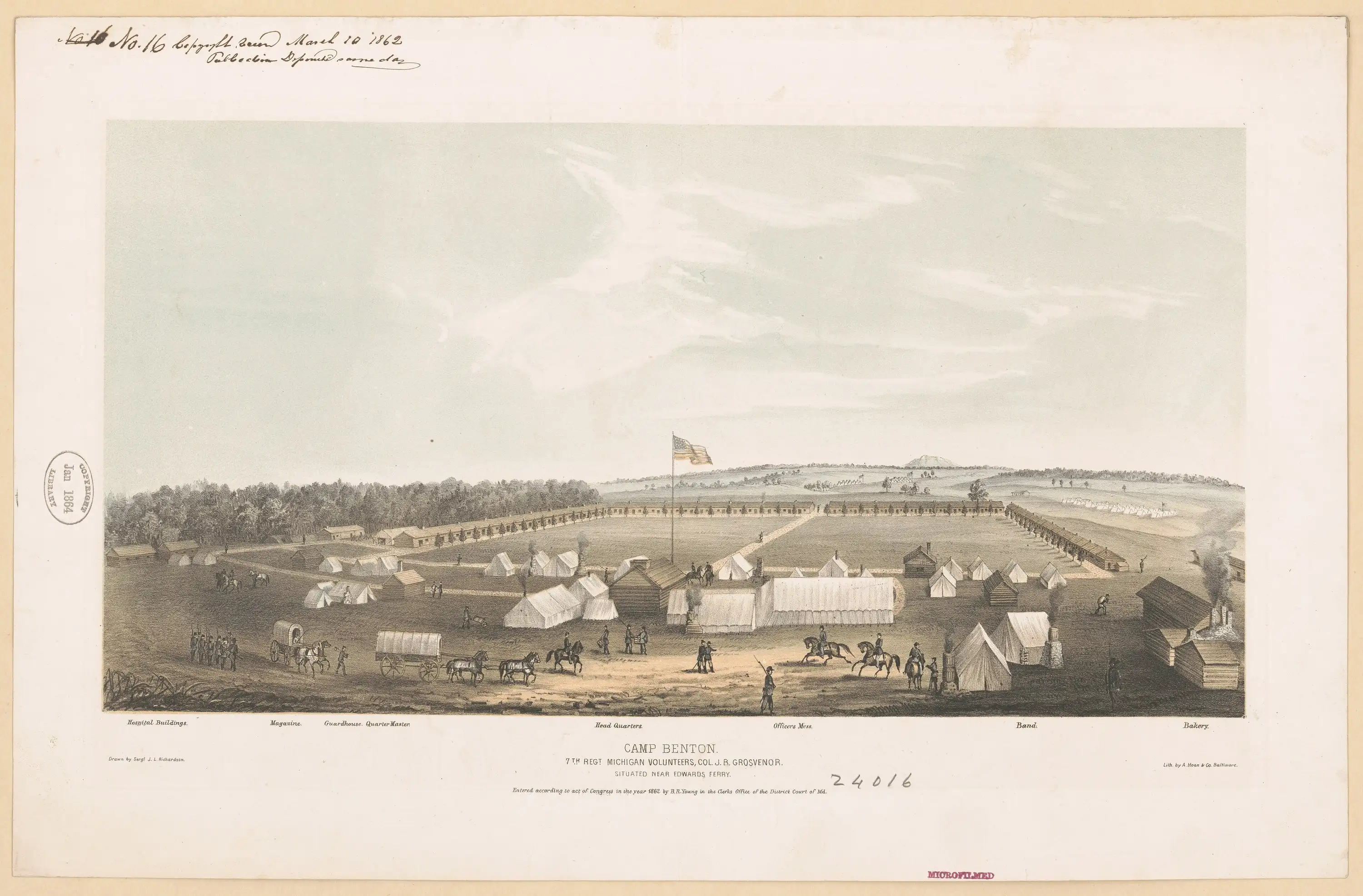 War Hegnauers in the Civil War A Swiss farmer from Gasconade County, Missouri, and two of his sons served the Union: the father, in his forties, and one son guarding the Pacific Railroad, the eldest son three years in the cavalry. Their own records say where each man was, and where they cannot. 8 min read · 58 sources
Shorter things the records caught, each with the page it comes from. Most Hegnauers stayed out of the news; these are the times they didn’t.
Elgg Reformed marriage register, 7 February 1616 (FamilySearch index, Switzerland, Catholic and Reformed Church Records)
Uster burial register, 9 Jul 1744 (FamilySearch index)
Volketswil Reformed register (FamilySearch index), in the study's reconstruction of the Volketswil families
New York Herald and New-York Daily Tribune, 30 Sep 1856, and the passenger list of the Chace, printed "Chase" (NARA M237, roll 167), in the research note on the ship
Departure list of the steamer Saint-Germain, Le Havre, 18 Oct 1884 (FamilySearch Full-Text, machine transcription)
Reformed church registers of Zürich, Urdorf, Liestal and Stadel (FamilySearch index), in the study's chart of the Basel Hegnauers
Amtsblatt des Kantons Graubünden, 12 Jul 1850, p. 192, and 23 Aug 1850, p. 248 (Staatsarchiv Graubünden), in the study's report on the Graubünden gazette
The Union and Advertiser (Rochester), 17 Jul 1899, p. 6
Muri bei Bern marriage register, 8 August 1645 (FamilySearch index, Switzerland, Catholic and Reformed Church Records)
New Jersey marriage, Newark, 15 Mar 1873 (FamilySearch index; the return read on Ancestry)
Volketswil Reformed register (FamilySearch index), in the study's reconstruction of the Volketswil families
Affidavit of 18 Oct 1864, Union provost marshals' papers, Gasconade County, Missouri (FamilySearch Full-Text machine transcription)
The Times-Union (Rochester), 18 Mar 1933, p. 9, death notice of John H. Hegnauer
Elgg Reformed burial register, 22 March 1829 (FamilySearch index, Switzerland, Catholic and Reformed Church Records)
Bubikon burial register, 9 Nov 1766 (FamilySearch index)
Elgg Reformed burial register, 13 April 1685 (FamilySearch index, Switzerland, Catholic and Reformed Church Records)
The Post Express (Rochester), 16 Jan 1920, p. 6
Theodor von Liebenau, Die Schlacht bei Sempach (1886), lists of the fallen, in the study's note on the origin of the name
Volketswil Reformed register (FamilySearch index), in the study's reconstruction of the Volketswil families
Pfeffikon (Luzern) baptism register, 16 June 1584 (FamilySearch index, Switzerland, Catholic and Reformed Church Records)
Basel Reformed church registers (FamilySearch index), in the study's chart of the Basel Hegnauers
Fehraltorf burial register, 21 Jul 1850 (FamilySearch index; record page read)
Democrat and Chronicle (Rochester), 25 Jul 1898, p. 8
Schongau (Luzern) burial register, 9 August 1702 (FamilySearch index, Switzerland, Catholic and Reformed Church Records)
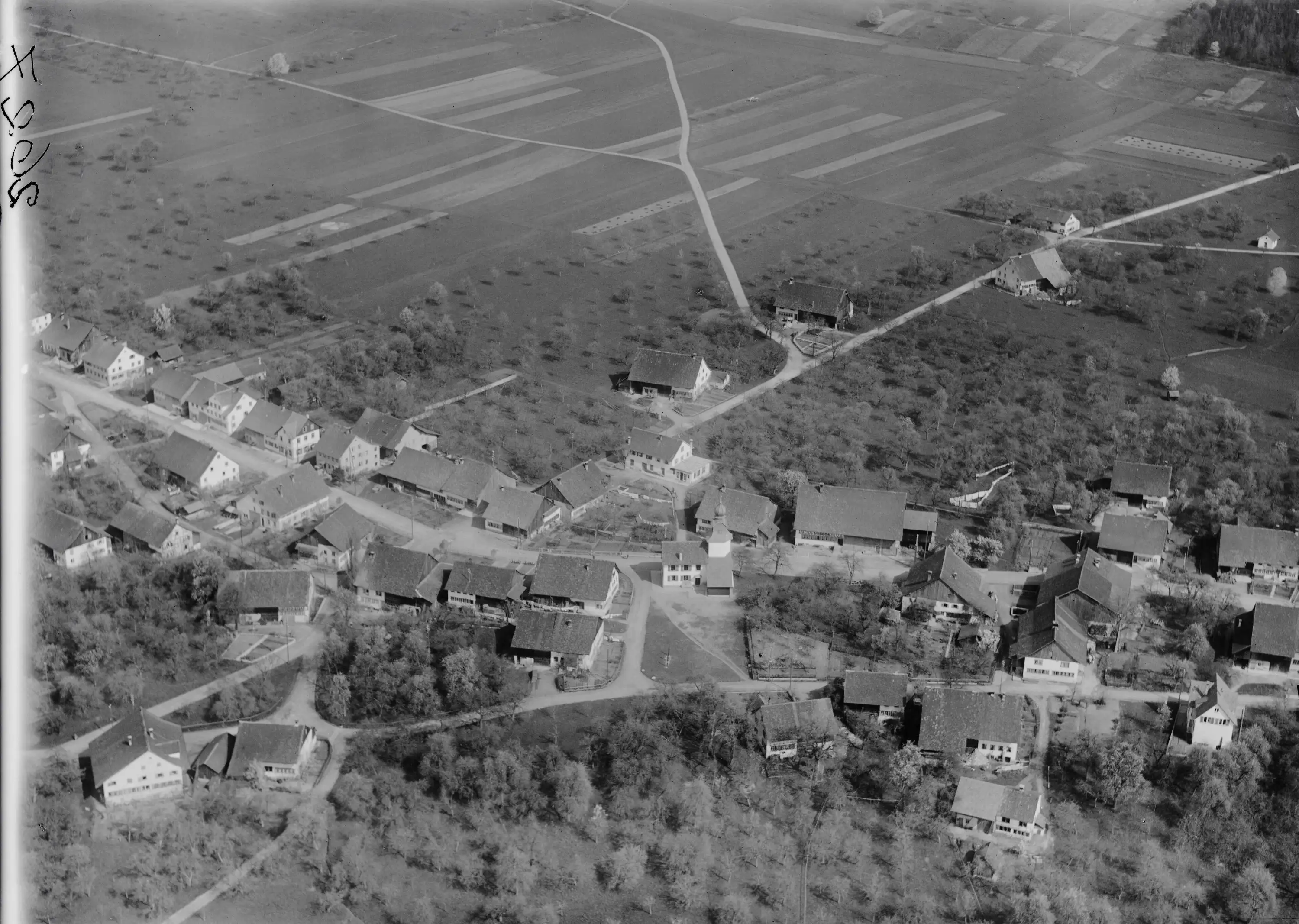 The tales The true Hegnauer stories Thirteen tales the neighbours told about Hegnau, from the fenced-in cuckoo to the bell marked on the boat, and what the records say.
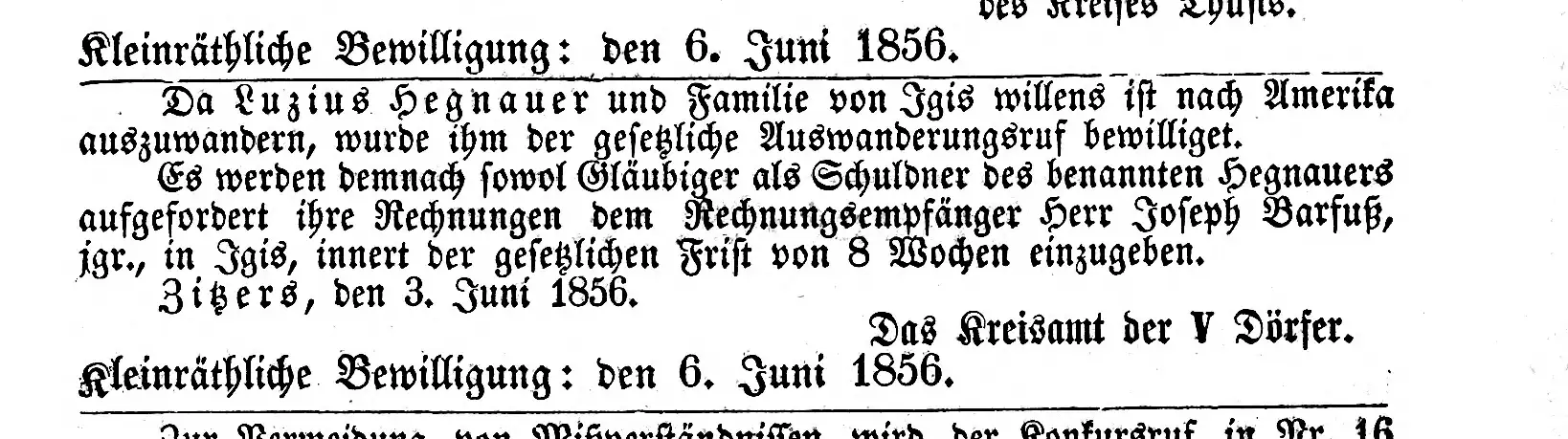 The spellings 290 ways to write Hegnauer One name, as every clerk, pastor and census-taker heard it. Some of them were even trying.
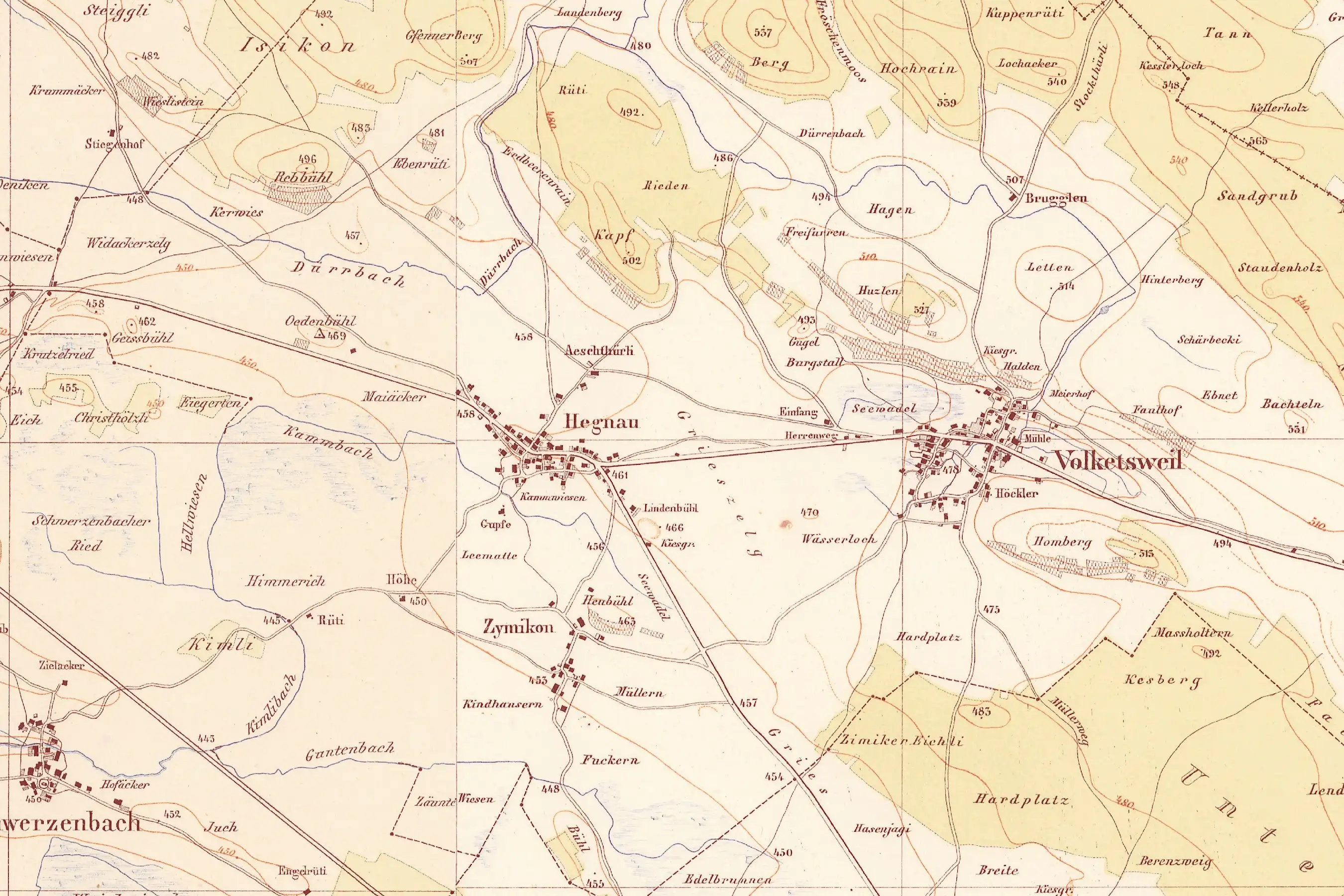 The name Hegnauer: the one from Hegnau Where the name comes from, how eight centuries of clerks wrote it, and the names that only look like it.
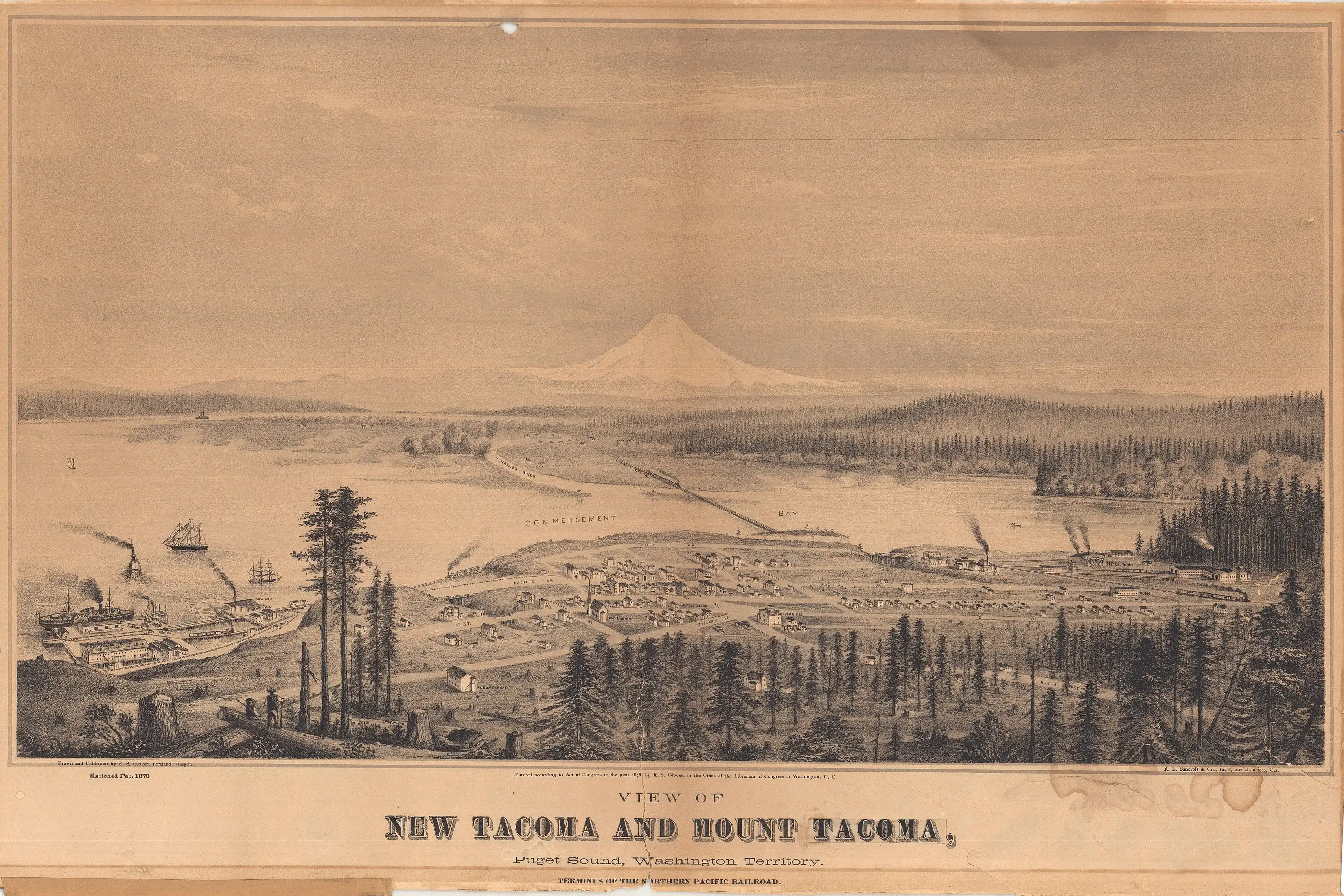 The map story From Hegnau to the Pacific One line’s road west, told on a map: Hegnau, Elgg, Igis, Le Havre, Missouri, and on to Puget Sound.
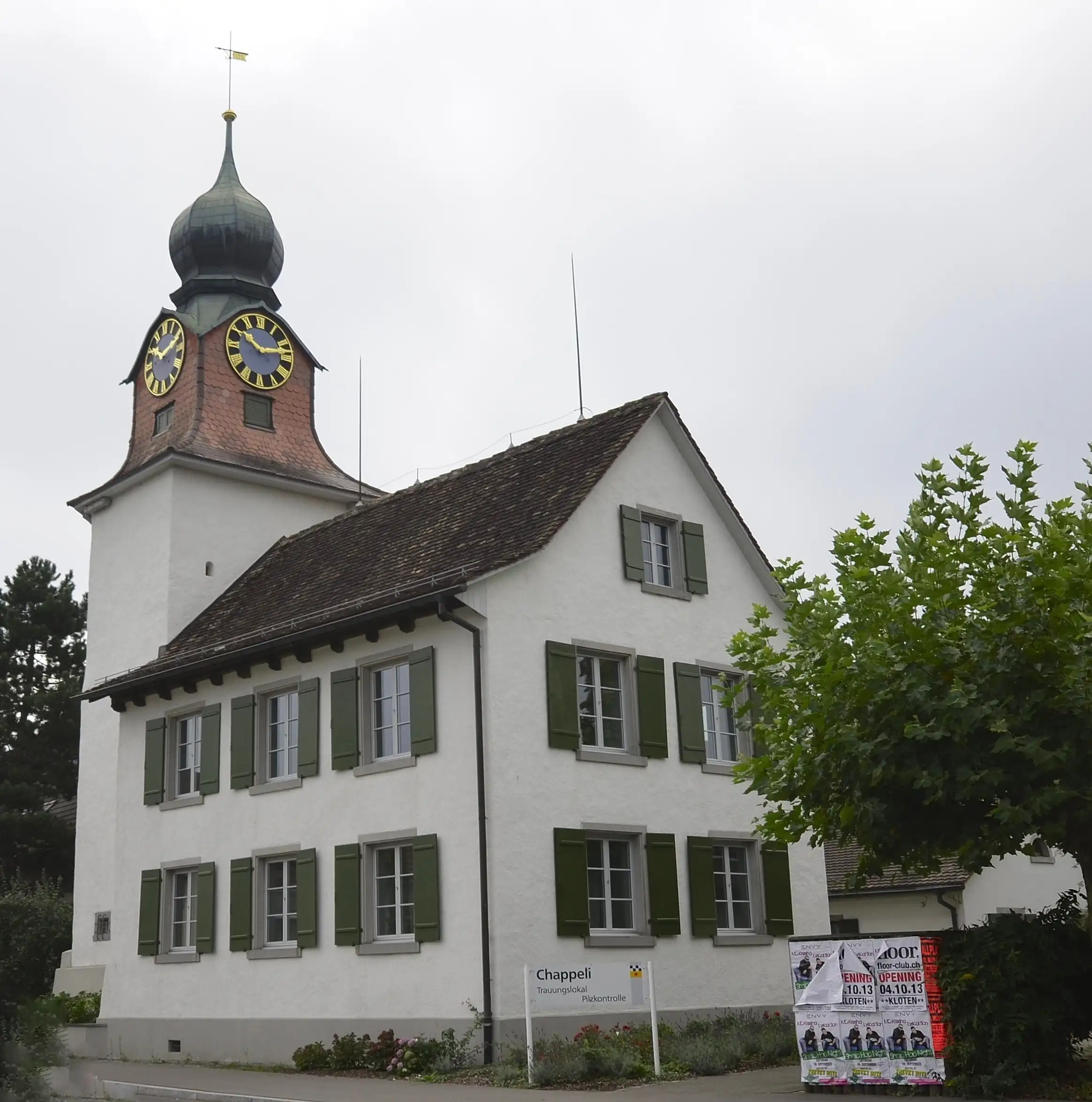 The place Hegnau, the village behind the name A farming village near Zürich, its onion-domed chapel, and the stories its neighbours told about it.
The findings behind the stories, line by line and parish by parish, each with its sources and its doubts.
Everything public in the study now sits in one database you can question from your browser. Who lived in Bates County in the 1880s? Who crossed the Atlantic? Which records name a Hegnauer nobody has placed yet? Start from a ready-made question or build your own. The whole database is also on the data page, for anyone who prefers their genealogy in SQL.
The study has a home of its own: a page for every person and every record in the study, a map of where the name has been, a tree of the whole study, and an archive you can sift by decade. It will keep changing. So, historically, did the spelling.
Hegnauer is a name of origin: "the one from Hegnau", a village in the commune of Volketswil, canton Zürich, first written Hegenowa about 1150. A "C. dictus Hegenower" appears in 1281, when it was still a description, and it had become a family name by the later 1300s. Whether every Hegnauer descends from one man is a question for Y-DNA.