1553–1883 · 606 people
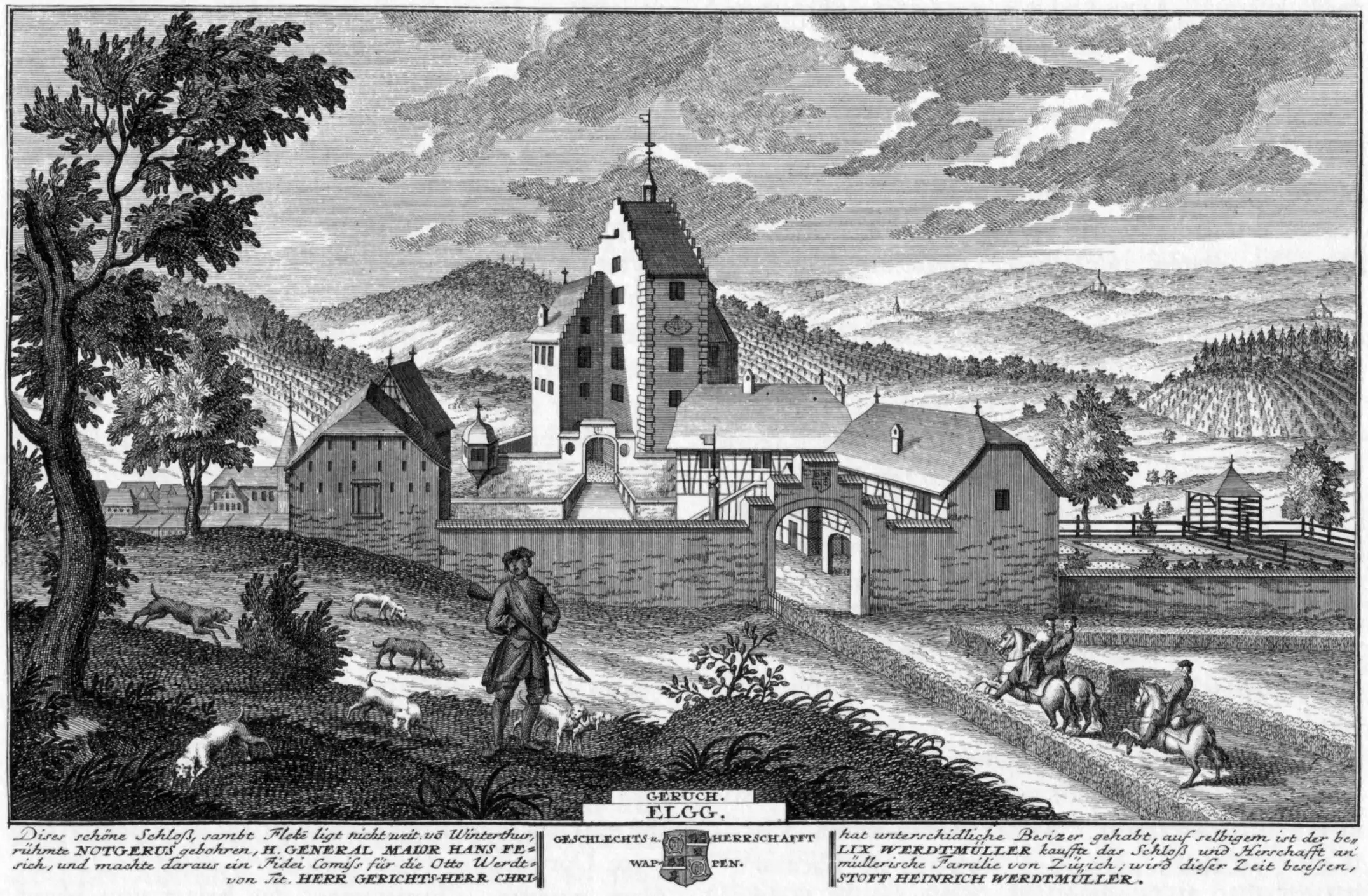
Elgg
The town’s oldest Hegnauer family, in its church books from 1553.
People to know: Heinrich Hegnauer, Anna Barbara Trachssler
Families
A family line is one family, as far back as the records connect it: parents to children, marriage to marriage, usually in one parish. Where the records stop connecting, the study starts another line, even when it is plainly the same name a valley away.
1553–1883 · 606 people
The town’s oldest Hegnauer family, in its church books from 1553.
People to know: Heinrich Hegnauer, Anna Barbara Trachssler
1715–2026 · 243 people
From a village in Graubünden to Missouri in 1856, and on to the Pacific.
People to know: Leonhard Hegnauer, Christian Hegnauer
1847–2022 · 81 people
From Lake Hallwil to Rochester, New York, in 1884.
People to know: Rudolph Hegnauer, Jacob Rudolph Hegnauer
There are 18 so far, the first in the records in 1548. Whether they all go back to one Hegnauer of Hegnau, nobody can yet say. The church books are keeping quiet about it, and DNA has not been asked.
18 family lines 1,813 people in them 4 doubtful spellings 422 people not yet placed
Off the map: Bavaria: Nuremberg and Fürth, North Germany, Neuchâtel and Newark, New Jersey.
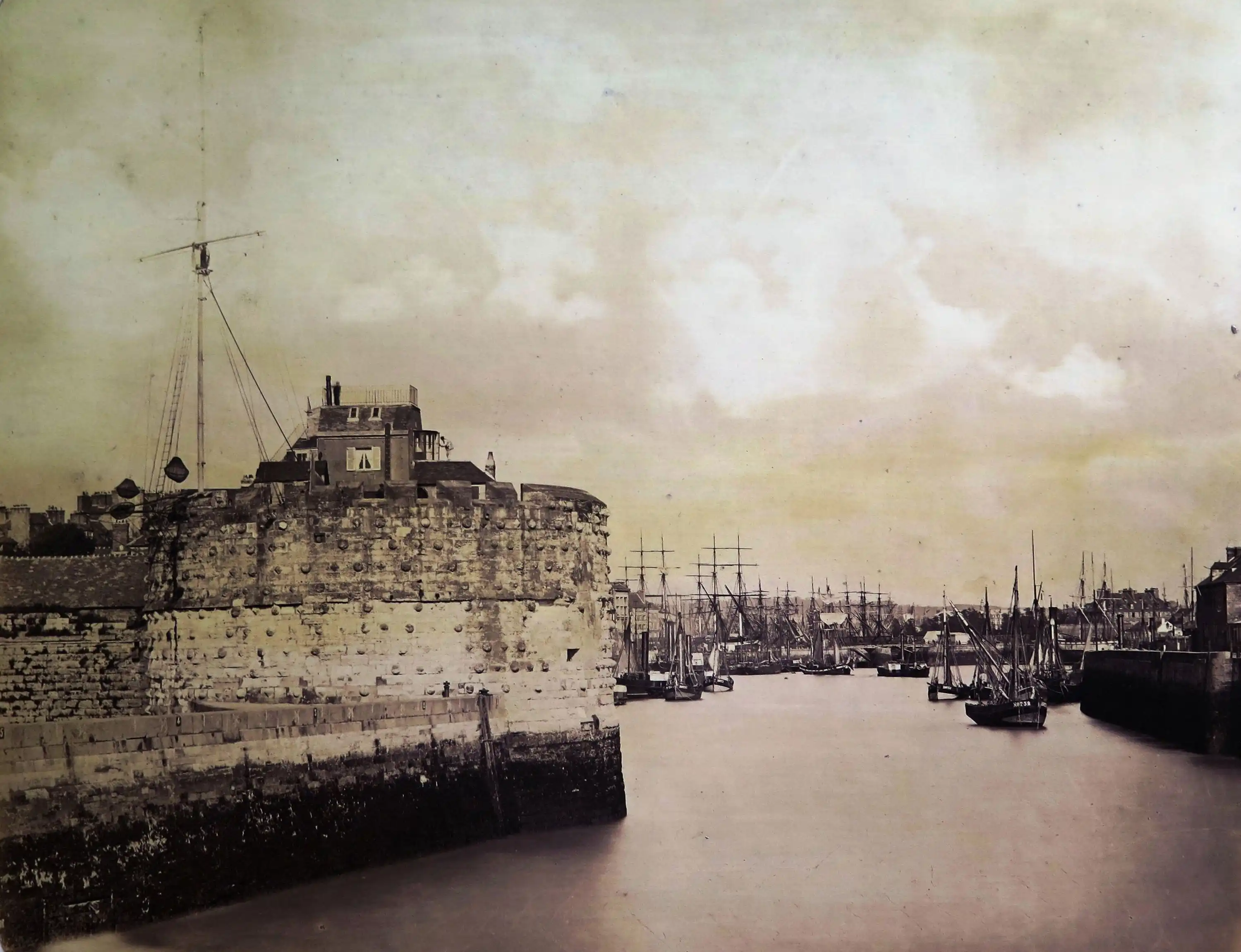
Elgg · 606 people · 5 generations
Elgg’s oldest family: Hegnauers in the town’s church registers from 1553, couple by couple, through 1629, when the burial book recorded seven of them in eight months.
What became of them Hegnauers were still being baptised at Elgg when the church registers the study has read end, in 1875, the year before Switzerland’s civil registers began.
Still open: whether Elgg had one Hegnauer stem or several: the baptisms before 1695 are not in the index.
People to know
Still open: whether Elgg had one Hegnauer stem or several: the baptisms before 1695 are not in the index.
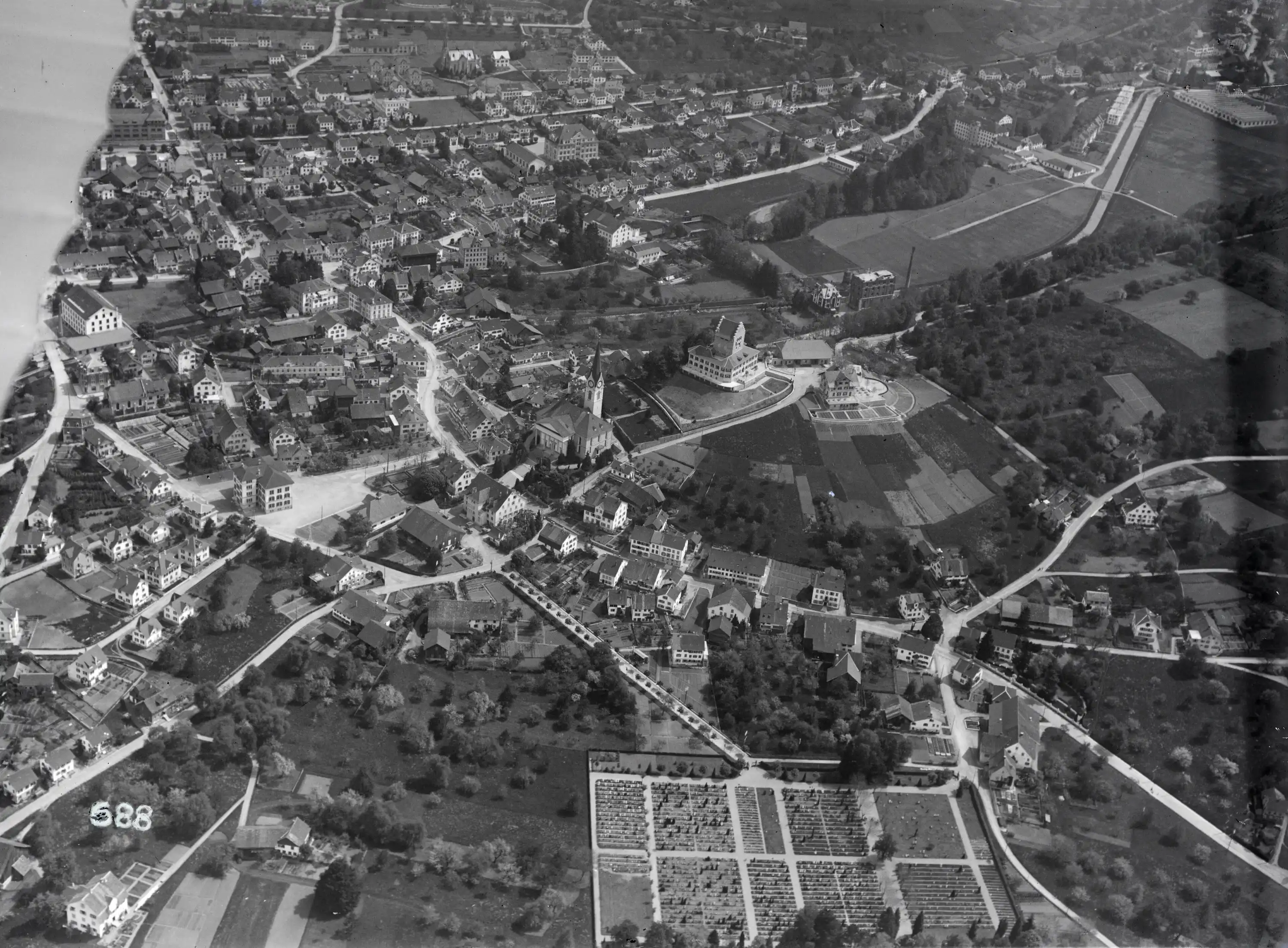
Igis · 243 people (36 living) · 11 generations
The Hegnauers of Igis, in the Rhine valley of Graubünden, from Jacob’s marriage there in 1715. In 1856 Luzius took his wife and five children to America.
What became of them They farmed in Gasconade and then Bates County, Missouri; sons and grandsons went on to Oregon, Washington and California, and descendants are living today.
Still open: where Jacob came from before 1715: the Igis register does not say.
People to know
Still open: where Jacob came from before 1715: the Igis register does not say.
Schongau · 178 people · 3 generations
A Catholic family at Pfeffikon, in the upper Wynental on the Aargau border, from 1584, then in the Seetal villages of Schongau, Hochdorf and Aesch, with three siblings marrying at Cham, in Zug, in 1700.
What became of them Most of their records fall before 1740; the study has not yet followed them further.
Still open: whether the Seengen Hegnauers of the 19th century, about 9 km to the north in Aargau, descend from them.
People to know
Still open: whether the Seengen Hegnauers of the 19th century, about 9 km to the north in Aargau, descend from them.
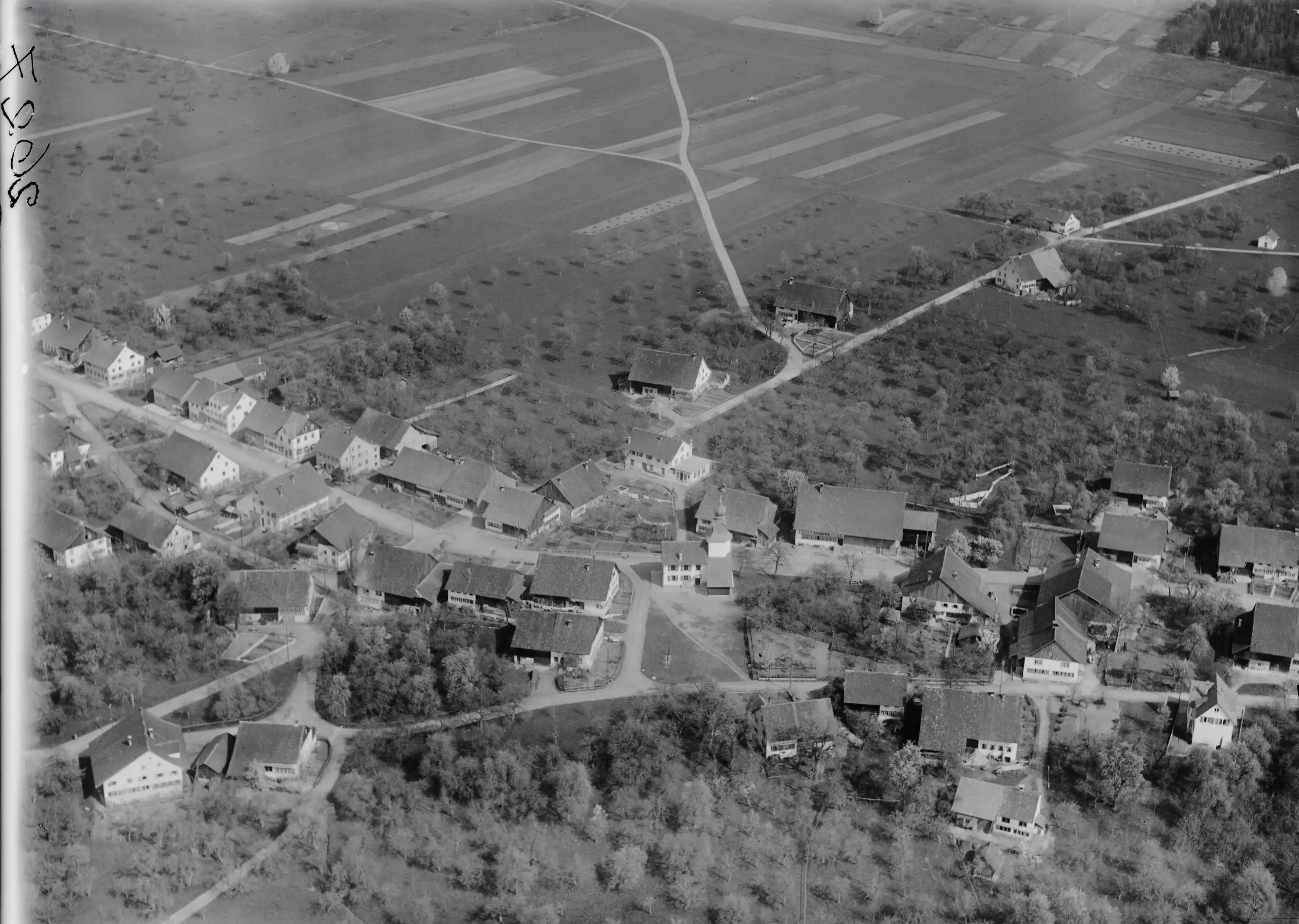
Volketswil · 161 people · 4 generations
The Hegnauers of Hegnau’s own parish, where the name began: households in the Volketswil register from 1590, two years after it begins.
What became of them In 1736 the parish buried Hans Jacob Hegnauer, and after him the register, which runs to 1801, shows no Hegnauer man at Volketswil: the last entries of the name are children of Hegnauer mothers.
Still open: where the sons went. Elgg and Igis are the leads, and neither is proven.
People to know
Still open: where the sons went. Elgg and Igis are the leads, and neither is proven.
Altstetten · 112 people · 2 generations
Hegnauers of the canton of Zürich whom the records do not yet tie to Elgg, Volketswil or Uster: single households from Altstetten to Embrach, from 1573 to the twentieth century.
What became of them They are kept together here until a record attaches each household to a known family.
Still open: each father’s place of citizenship (his Heimatort), which his marriage entry would give.
People to know
Still open: each father’s place of citizenship (his Heimatort), which his marriage entry would give.
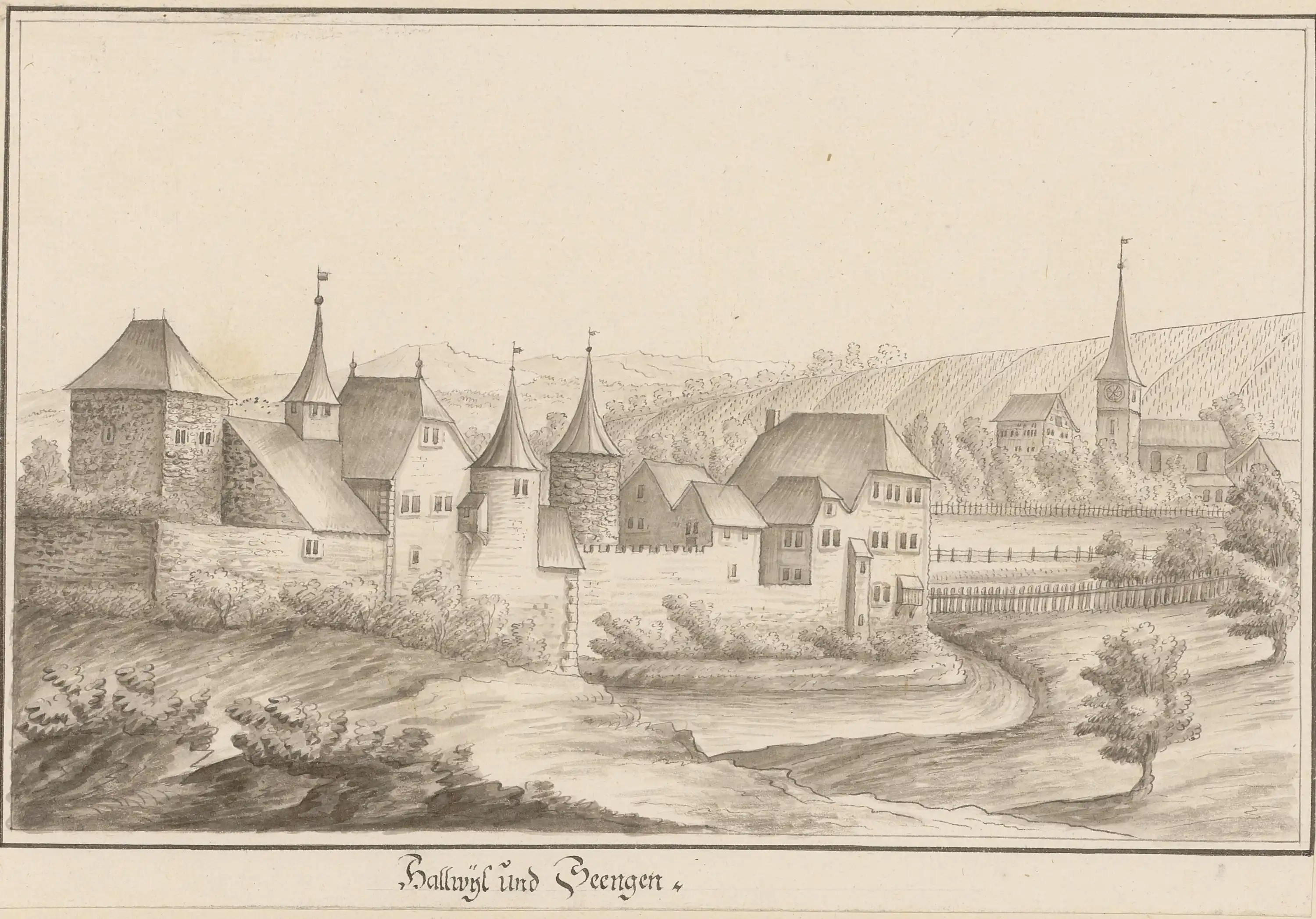
Rochester, United States · 81 people (18 living) · 5 generations
Jacob Hegnauer, a farmer of Seengen, on Lake Hallwil in canton Aargau, brought his family to Rochester, New York, in two sailings from Le Havre in 1884.
What became of them In Rochester two of them, Jacob and Albert, became American citizens on the same day in 1892; branches followed in Buffalo and at Cuyahoga Falls, Ohio, and descendants are living today.
Still open: the family’s Swiss generations: the Seengen registers have not been filmed.
People to know
Still open: the family’s Swiss generations: the Seengen registers have not been filmed.
Uster · 67 people · 3 generations
Hegnauers at Uster, a few miles from Hegnau, from 1631; the study takes them, probably, for a branch of the Elgg family from about 1730.
What became of them Their Uster records run to 1877, when the church registers give way to the civil ones.
Still open: whose sons Salomon (born about 1746) and Jacob (born about 1749) were.
People to know
Still open: whose sons Salomon (born about 1746) and Jacob (born about 1749) were.
Bern · 56 people · 3 generations
Hegnauers in the city and canton of Bern from 1645, among them the fathers Heinrich, Samuel, Ludwig and Caspar, whose origins the study is still looking for.
What became of them Their records run into the late nineteenth century; later Bern Hegnauers are not yet traced.
Still open: whether they came from Zürich, Aargau or Graubünden: the marriage entries give each father’s place of citizenship.
People to know
Still open: whether they came from Zürich, Aargau or Graubünden: the marriage entries give each father’s place of citizenship.
Basel · 55 people · 2 generations
Hegnauers of Basel and its countryside, from Margreth Hegnauer’s marriage to Hans Bannwart at Kleinhüningen in 1607 to a family with graves at the Hörnli cemetery in the twentieth century.
What became of them Some married into Baden, across the Rhine; the city family reaches the twentieth century.
Still open: where the Basel fathers came from: their marriage entries would name each one’s place of citizenship.
People to know
Still open: where the Basel fathers came from: their marriage entries would name each one’s place of citizenship.
Tegerfelden · 50 people · 3 generations
Sixteen Hegnauer marriages in canton Aargau, 1813–1869, with Lake Hallwil names among the spouses (Thut, Siegrist, Bolliger): perhaps the Seengen family’s Swiss side, though the index names no parish.
What became of them Their twentieth-century graves are at Tegerfelden and Holziken.
Still open: which parish the index calls “Baden, Aargau”. If it is Seengen, the Rochester family gains two Swiss generations.
People to know
Still open: which parish the index calls “Baden, Aargau”. If it is Seengen, the Rochester family gains two Swiss generations.
Zußdorf, Germany · 32 people · 2 generations
Hegnauers in Württemberg, from Zußdorf and Schussenried in Upper Swabia to Niedernhall on the Kocher, 1607–1824.
What became of them The study’s records of them end in the 1820s.
Still open: any link to Switzerland: no record yet names a Swiss home.
People to know
Still open: any link to Switzerland: no record yet names a Swiss home.
Freiburg, Germany · 27 people · 2 generations
Catholic Hegnauers of the Breisgau and the Baar from 1665, one family at Blumberg, on the Swiss border north of Schaffhausen.
What became of them Later Hegnauers in Baden are scattered records, not yet a family.
Still open: a Swiss origin. Blumberg’s position makes it plausible, but no record says so.
People to know
Still open: a Swiss origin. Blumberg’s position makes it plausible, but no record says so.
Affoltern am Albis · 20 people · 2 generations
Citizens and residents of the city of Zürich from 1734; in the twentieth century several of them lived past ninety.
What became of them The family reaches the present century; the living are not named here.
Still open: how the city family connects to the country ones.
People to know
Still open: how the city family connects to the country ones.
Nürnberg, Germany · 14 people · 2 generations
A family in Nuremberg and Fürth, in Franconia, from 1821 to the 1950s.
What became of them The study’s records of them end in 1951.
Still open: Josef’s birth and origin, in the Nuremberg civil registers.
People to know
Still open: Josef’s birth and origin, in the Nuremberg civil registers.
Biel · 14 people · 2 generations
A family at Biel and in the Bernese Seeland, 1592–1625, one of the earliest in the records outside Zürich.
What became of them They leave the records after 1625; whether they moved on or died out is not known.
People to know
Peterswalde, Germany · 10 people · 2 generations
Scattered Hegnauers in northern Germany, as far east as Pomerania, 1639–1889.
What became of them No record yet ties them to each other or to Switzerland.
People to know
Newark, United States · 9 people · 3 generations
Wilhelm Hegnauer, a Swiss engraver, married at Newark, New Jersey, in 1873; by 1880 the family was back in the watch-making country of Neuchâtel.
What became of them Their son Louis Arnold made his home at Newark and died at Irvington in 1925.
Still open: where Wilhelm was born, and whose son he was: only his father’s name, Rudolph, is known.
People to know
Still open: where Wilhelm was born, and whose son he was: only his father’s name, Rudolph, is known.
St. Gallen · 8 people · 2 generations
A family in the city of St. Gallen, 1884–1911.
What became of them Their records stop in 1911.
Still open: their origin. Hegnauers of the Igis family were at St. Gallen in the same years.
People to know
Still open: their origin. Hegnauers of the Igis family were at St. Gallen in the same years.
Hegnaucker, Hegnower, Hagenauwer, Hegnorer: names close to ours in the old registers, but not yet shown to be it. The study keeps each apart as a line of its own until a record decides, one way or the other.
Each band runs from a line’s first record to its last; the bars above it count its records, decade by decade. The tall ones are mostly church books.
Other Hegnauers
422 people are in the study but in no family line yet. They are real people with real records: a husband who married in, a godmother in a register, a name in an American census with no parents given. These groups are not families, only the study’s way of keeping everyone in view while the records catch up.